Everyday outdoor use

Backyard Turf

Backyard turf works as part of the whole yard, with preparation, drainage, traffic, furniture, play, shade, paths, patios, pools, planting edges, and routine cleanup considered together.

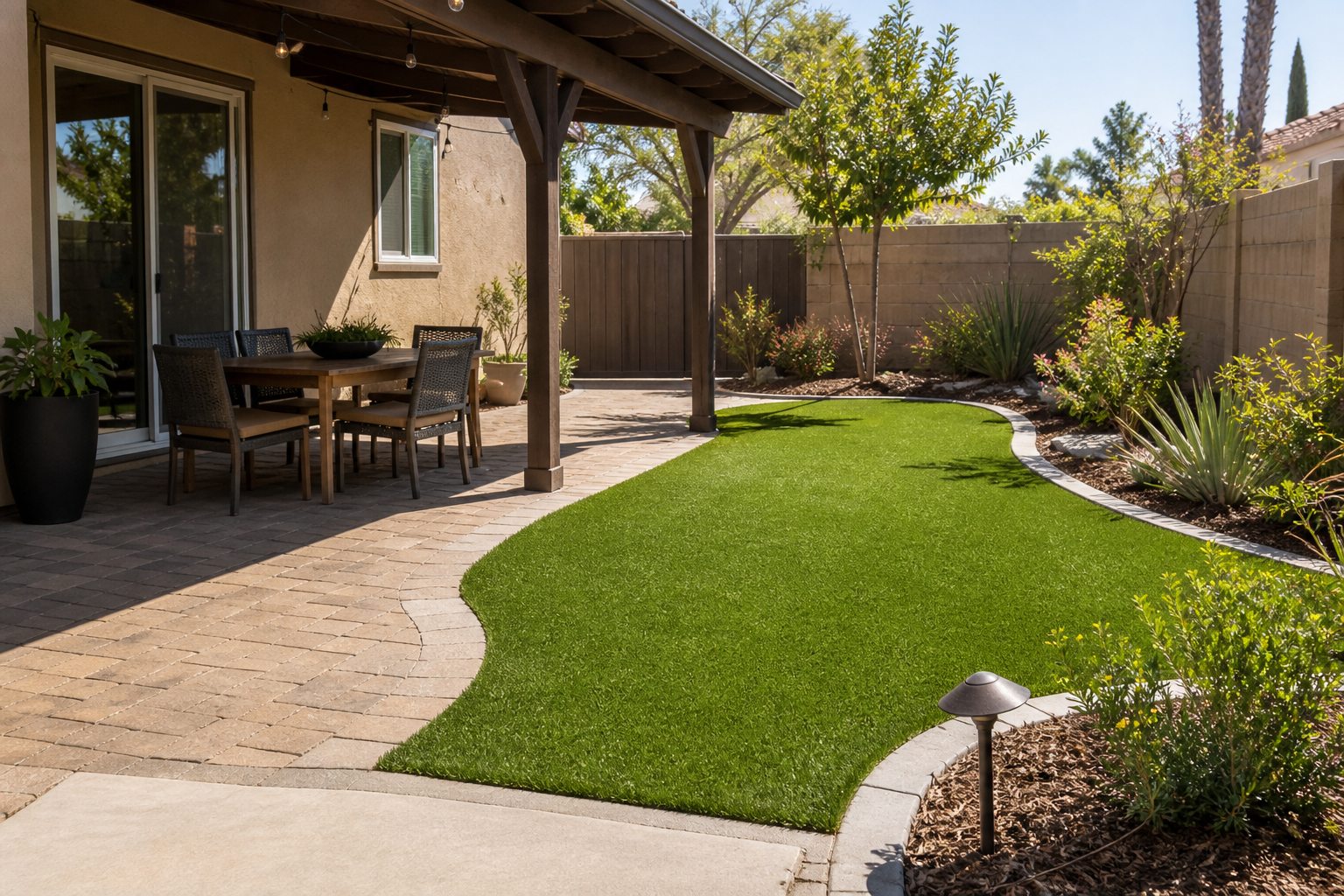
Backyard turf beside a patio, path, and garden edge

Plan the usable yard

Backyard turf should support the way the space actually works

A backyard is rarely one open rectangle. Doors, patios, pools, play equipment, furniture, grills, garden beds, sheds, gates, and walking routes divide it into working zones. Turf layout is more useful when it follows those patterns, preserves comfortable circulation, and leaves sensible access to features that still need cleaning, repair, or seasonal attention.

The surface also has to serve the people using it. Children may create concentrated play paths, chairs can press on the same area, and a narrow route from the house can carry most foot traffic. Material selection matters, but durable planning begins with boundaries, transitions, preparation, drainage, and a realistic picture of daily use.
Fit and yard conditions

Use patterns and existing features shape the turf boundary

Turf may suit a gathering area, a route between the house and patio, a defined play zone, or a portion of the yard that is difficult to use as natural lawn. A partial installation often leaves room for planting, drainage swales, shade trees, pool equipment access, or another surface where turf would add little value.

Before setting the boundary, the current surface is checked for soft ground, roots, settled areas, irrigation heads, low spots, hardscape runoff, and changes in elevation. Shade is not automatically a problem, but it can increase leaf litter and slow drying. Pool splash, downspouts, and roof discharge can also concentrate water in specific locations.

Preparation and layout

Removal and base work come before roll direction and seams

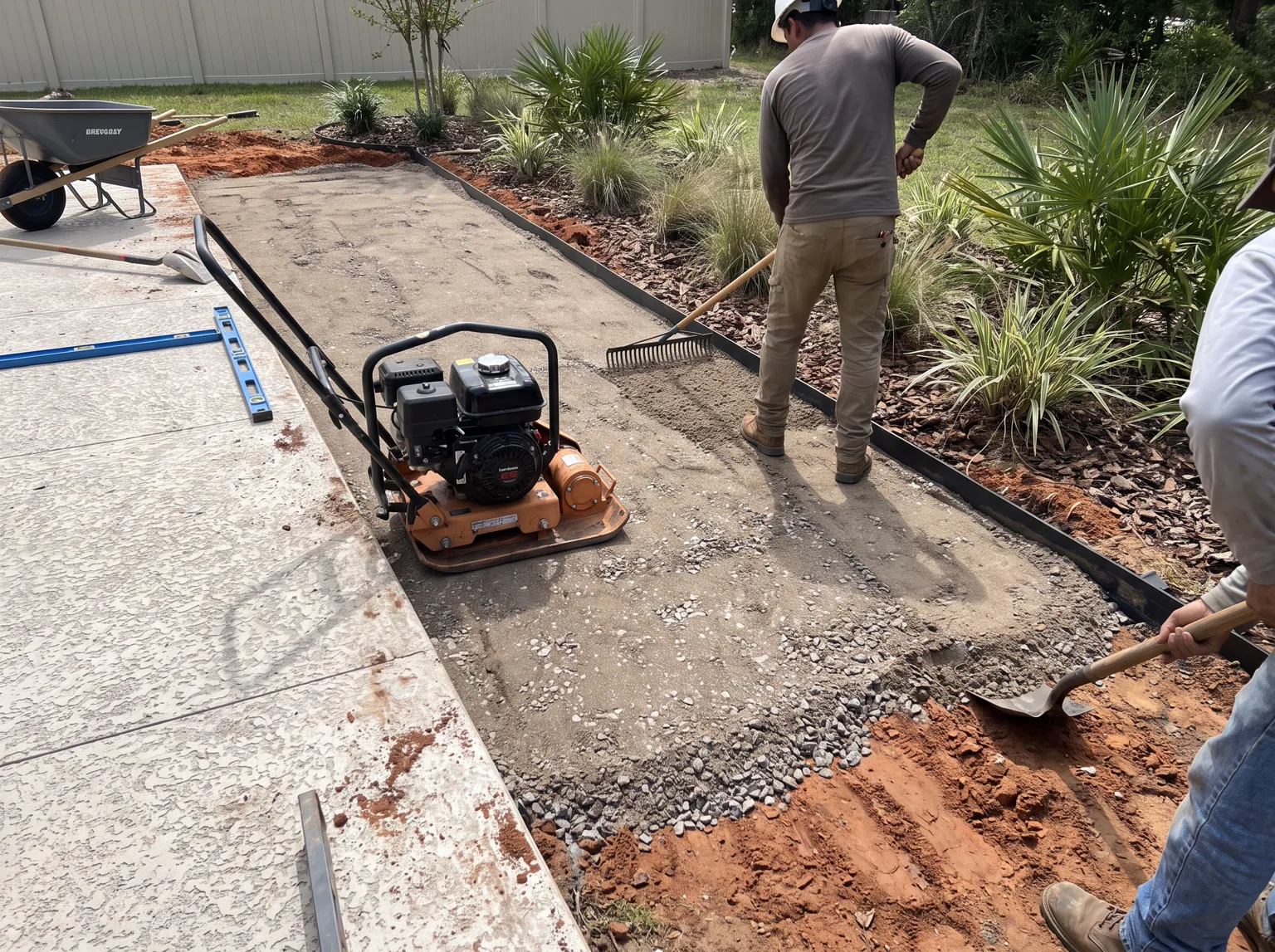
Sod, loose soil, roots, old turf, or other unsuitable material is removed within the agreed boundary. The depth and disposal plan depend on what is present and the finished elevation needed at doors, patios, walks, and drains. The area is graded, aggregate is placed and compacted as required, and low or unstable locations are corrected before turf is laid.

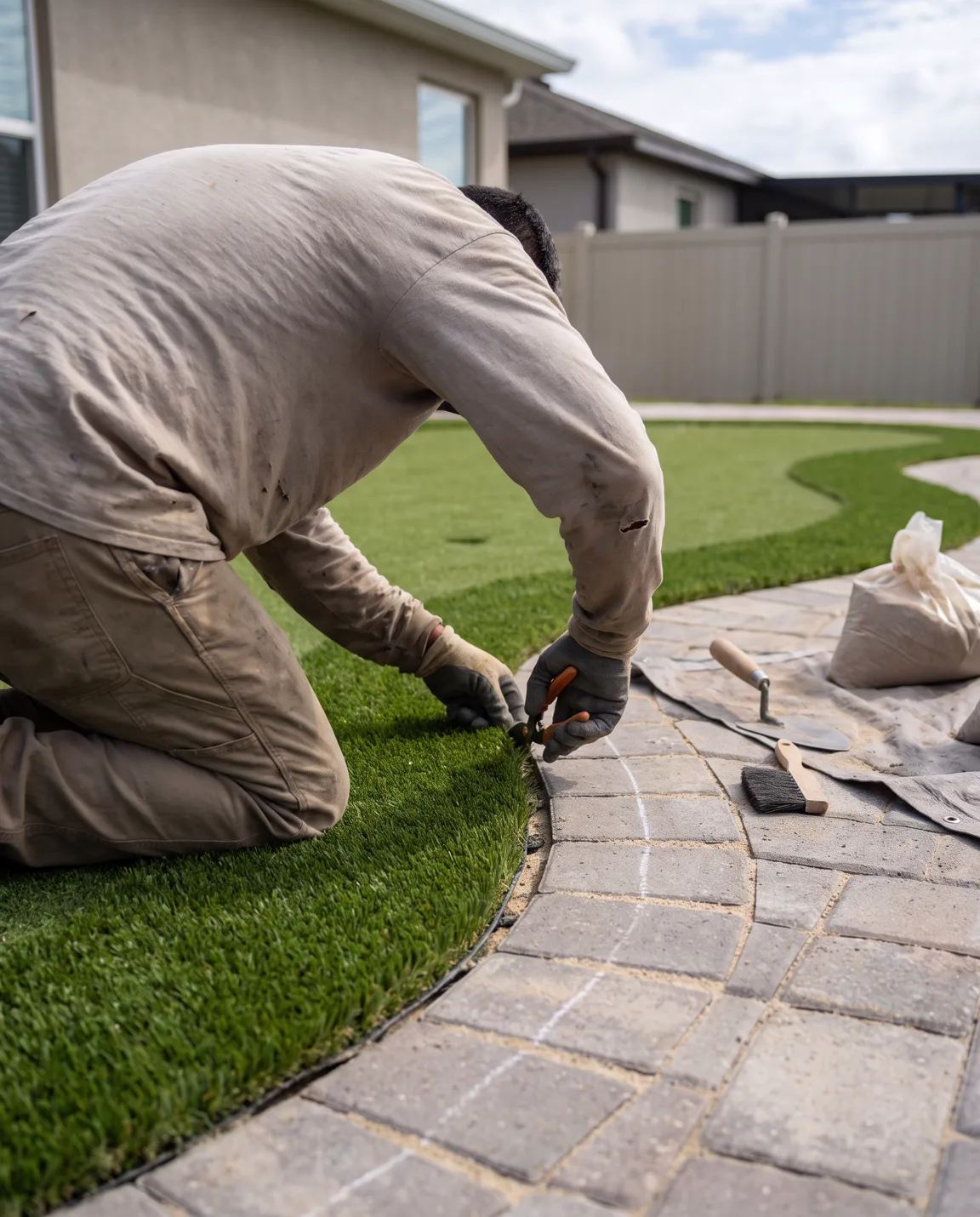
Roll direction is selected with the main viewing areas and yard shape in mind. Seams are kept away from awkward cuts and concentrated traffic where the layout permits. Perimeters are restrained along beds, fencing, hardscape, and open edges; transitions are trimmed to safe, usable elevations; then infill and grooming complete the surface without burying drains or access points.

Backyard turf base transition beside a patio or landscape edge.

Estimate and household expectations

A clear backyard scope names both construction and everyday constraints

Useful measurements include the turf footprint, gate width, distance from unloading to the work area, and every fixed object requiring a cut or transition. Removal volume, base depth, curved planting edges, steps, pool connections, irrigation adjustments, and protected landscape features can affect labor and materials even when two yards have similar square footage.

Before work begins, furniture, toys, movable equipment, and personal items need to be clear of the area. Access for materials and debris must remain open, and pets or children need separation from active work. The scope should also state the condition expected at completion, including cleanup, transitions, grooming, and which surrounding surfaces remain unchanged.

Practical limits

Turf does not remove every backyard maintenance or drainage concern

Synthetic turf eliminates mowing within its footprint, but leaves, seed pods, pollen, soil, spills, and pet waste still land on the surface. Tree roots continue to grow, nearby beds still shed material, and shaded areas may stay damp longer. A design that blocks access to drains, irrigation, utilities, or tree care can create a different maintenance problem.

A turf surface also cannot correct water entering from a broken irrigation line, a neighboring grade, a downspout, or failing hardscape without addressing that source. Where deep shade, heavy root activity, frequent standing water, or intense heat reflection creates a poor fit, reducing the turf area or choosing another surface for that zone may be the more durable approach.

Routine backyard care

Debris control and periodic inspection keep the surface usable

Leaves and organic debris are easier to remove before they break down into the fibers. A blower used carefully, a turf-safe rake, or hand pickup can keep planting edges and shaded pockets clear. Spills and heavily used areas can be rinsed as appropriate, while brushing can lift compressed fibers along paths or beneath frequently moved furniture.

Perimeters near beds, pavers, pool decks, and gates should be watched for lifting or movement. Seams, infill levels, drainage openings, and low spots also deserve periodic attention. Heavy furniture can use suitable feet or pads, and hot equipment should remain off the turf. Care instructions should match the installed material rather than a universal schedule.

Turf-edge grooming beside a backyard transition.

Backyards in Deltona

Rainfall, sun, shade, irrigation, and pool connections create different zones

A Central Florida backyard can move from direct sun to dense shade within a short distance. That difference changes surface temperature, drying, leaf accumulation, and how often an area needs attention. Planning the turf boundary around actual exposures is more useful than assuming the whole yard will behave as one uniform surface.

Seasonal downpours make existing low areas and runoff paths important. Water arriving from roofs, patios, pool decks, or irrigation needs a route through or around the turf assembly. Identifying those connections early protects access and transitions without making a universal drainage claim about a Deltona property that has not been inspected.

Backyard turf questions

Can turf cover only part of a backyard?

Yes. A defined turf zone can connect gathering, play, or walking areas while leaving planting beds, drainage routes, shade trees, pool equipment, or another surface outside the footprint. The boundary should follow use and maintenance needs rather than simply filling every open area.

How do shaded areas affect backyard turf planning?

Shade can reduce direct heat exposure, but it may also slow drying and collect leaves, pollen, or other organic material. Nearby roots and low branches can affect boundaries and upkeep. Those conditions influence layout and care even though the turf does not need sunlight to grow.

Can backyard turf connect to a patio or pool deck?

It can, provided the finished elevations, drainage route, edge restraint, and transition are detailed carefully. Pool access, splash, cleaning, and existing deck movement also matter. The turf scope should not block drains or imply that adjoining hardscape work is included.

What should be considered for furniture and play equipment?

Expected locations, weight, movement, access, and concentrated traffic help shape the base, turf choice, and layout. Movable items can be shifted periodically, while permanent or anchored equipment needs clear boundaries and any manufacturer requirements addressed separately.

How much cleanup does a turf backyard require?

The amount varies with trees, pets, traffic, food, soil, and surrounding landscaping. Routine work usually involves removing debris, tending to spills or pet areas, brushing compressed fibers, and checking edges, seams, infill, drains, and transitions for changes.

Ready to discuss this turf project?

Share the property details in an estimate request, or call to talk through the area and the work you have in mind.